
The Divine Office of the World Temple is a structured framework of supplication and reflection adopted by the Noocratic Society to harmonize spiritual practices throughout entire the global village. Drawing inspiration from various ancient and modern traditions, including the Roman Rite’s Liturgy of the Hours, the Divine Office serves as a means to sanctify the day through regular intervals of devotion.
Canonical Hours in the Roman Rite
In the Roman Catholic Church, the Divine Office, also known as the Liturgy of the Hours, marks specific times of the day for prayer, collectively referred to as canonical hours. These hours are:
- Matins (Office of Readings): Traditionally recited during the night, offering reflections on Scripture and other spiritual writings.
- Lauds (Morning Prayer): At dawn, praising God for the light of a new day.
- Prime (First Hour): Around 6 a.m., though this hour was suppressed in the 1960s reforms.
- Terce (Third Hour): Approximately 9 a.m., invoking the Holy Spirit’s guidance.
- Sext (Sixth Hour): Around noon, a moment for midday reflection.
- None (Ninth Hour): Around 3 p.m., reflecting on Christ’s passion.
- Vespers (Evening Prayer): At sunset, giving thanks for the day.
- Compline (Night Prayer): Before retiring, seeking peace and protection during the night.
These hours collectively form the Church’s official prayer, emphasizing the sanctification of time and continuous remembrance of God’s presence.
The Templist Scroll and the New Ethiopian Order
The Templist Scroll, authored by H.I.M. Dr. Lawiy Zodok Shamuel, delves into the foundations of Templism—a spiritual movement intertwining ancient wisdom with contemporary practice. This text explores the history, principles, and rituals of Templism as practiced by the New Ethiopian Order, offering insights into a path that seeks to harmonize diverse spiritual traditions.
Divine Office Schedule in the World Temple
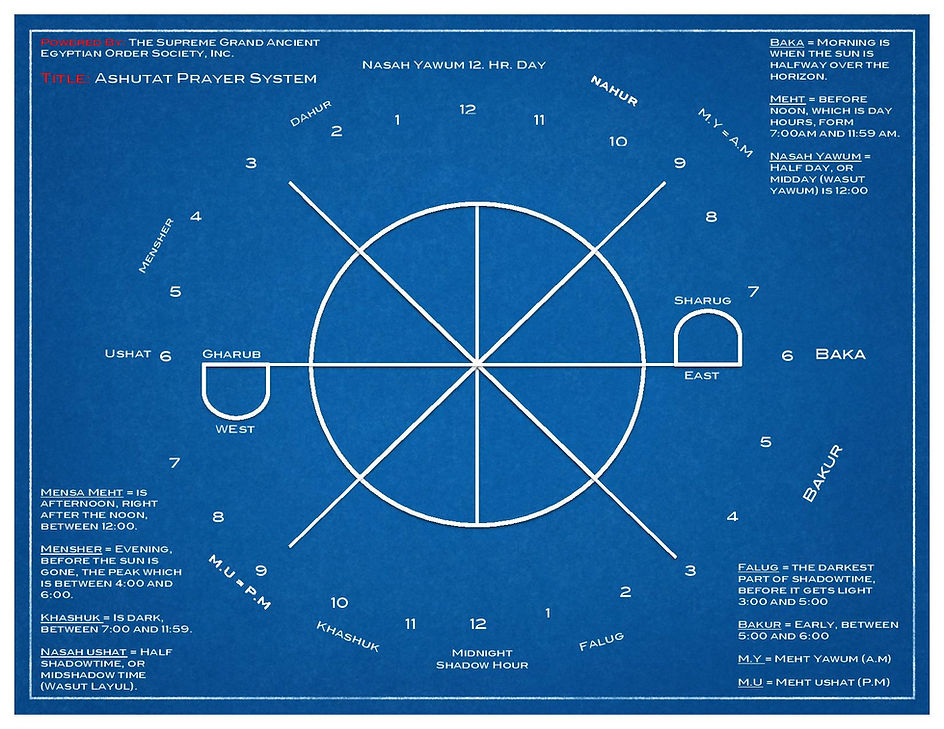
The World Temple’s Divine Office schedule is meticulously designed to align the community’s spiritual rhythm with natural cycles, such as the solstices, ensuring a harmonious flow of daily life.
Canonical Hours in the Atlanean, Ethiopian, Moorish Rites
Daily Divine Office Schedule:
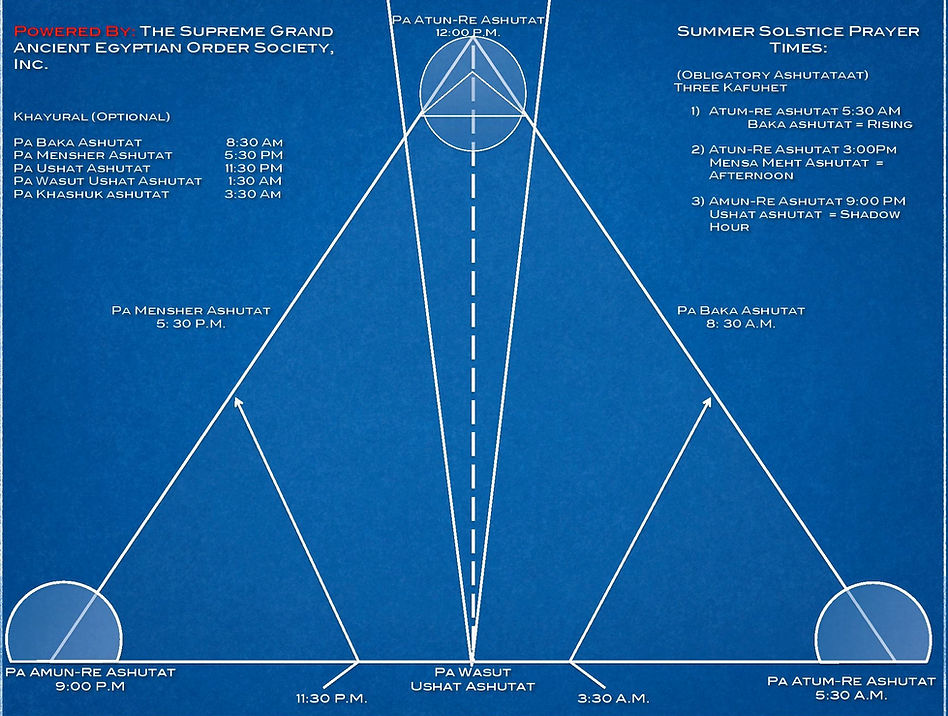
- Three Obligatory Conversations Daily:
- Summer Solstice:
- Morning Conversation: 5:30 a.m.
- Afternoon Conversation: 3:00 p.m.
- Evening Conversation: 9:00 p.m.
- Winter Solstice:
- Morning Conversation: 7:00 a.m.
- Afternoon Conversation: 12:00 p.m.
- Evening Conversation: 7:00 p.m.
- Summer Solstice:
- Five Daily Prayer Conversations or Supplications:
- Summer Solstice:
- Morning Conversation: 8:30 a.m.
- Evening Conversation: 5:30 p.m.
- Shadow Conversation: 11:30 p.m.
- Late Shadow Conversation: 1:30 a.m.
- Sacred Conversation: 3:30 a.m.
- Winter Solstice:
- Morning Conversation: 9:30 a.m.
- Evening Conversation: 3:30 p.m.
- Shadow Conversation: 8:30 p.m.
- Late Shadow Conversation: 12:00 a.m.
- Sacred Conversation: 4:30 a.m.
- Summer Solstice:
Weekly Schedule:
- World Interfaith Tribunal: Monday–Thursday, 11:00 a.m.–3:33 p.m.
- Global Interdependent School System: Daily, 6:00 a.m.–10:30 p.m.
- Noocratic Open Markets: Daily, 6:00 a.m.–9:00 p.m.
Evening Gatherings (6:00 p.m.–9:00 p.m.):
- Monday: Noocratic Social Media Roundtable
- Tuesday: World Ministries Temple Lodge Gathering
- Wednesday: Noocratic Social Media Roundtable
- Thursday: World Ministries Temple Lodge Gatherin
- Friday: World Ministries Temple Gathering
- Saturday: World Ministries Holy Family of Nations Gathering
- Sunday:
- New Comer’s Gathering: 11:00 a.m.–3:33 p.m.
- Evening Gathering: 6:00 p.m.–9:00 p.m.
Integration and Purpose
The Divine Office of the World Temple integrates elements from various spiritual traditions, including the Roman Rite’s canonical hours and the practices outlined in the Templist Scroll. This synthesis reflects a commitment to creating a cohesive spiritual framework that respects historical practices while adapting to contemporary contexts.
By observing these structured times for prayer and reflection, the Noocratic Society fosters a communal rhythm that emphasizes unity, mindfulness, and continuous spiritual development. This approach ensures that every aspect of daily life is imbued with purpose and aligned with the community’s core values.
